Sometimes skin problems do not start with acne or dryness.
They start with discomfort.
If your skin suddenly feels irritated, sensitive, or hard to calm,
your skin barrier may be struggling.
What Is the Skin Barrier?
Your skin barrier is the outer layer of your skin.
Its job is simple but important.
It helps your skin:
- keep moisture inside
- block irritation from the outside
- stay balanced and comfortable
When this barrier is healthy, skin feels calm.
When it is not, many small problems can appear at once.
Common Signs of a Damaged Skin Barrier
Not everyone experiences the same symptoms.
But these signs often appear together.
Skin feels irritated for no clear reason
Products you used before without problems
may suddenly feel uncomfortable.
Your skin might sting, itch, or feel warm
even when you apply gentle products.
Skin looks oily but feels dry
This can be confusing.
Your skin may produce more oil,
but still feel tight or uncomfortable underneath.
This often happens when the barrier cannot hold moisture properly.
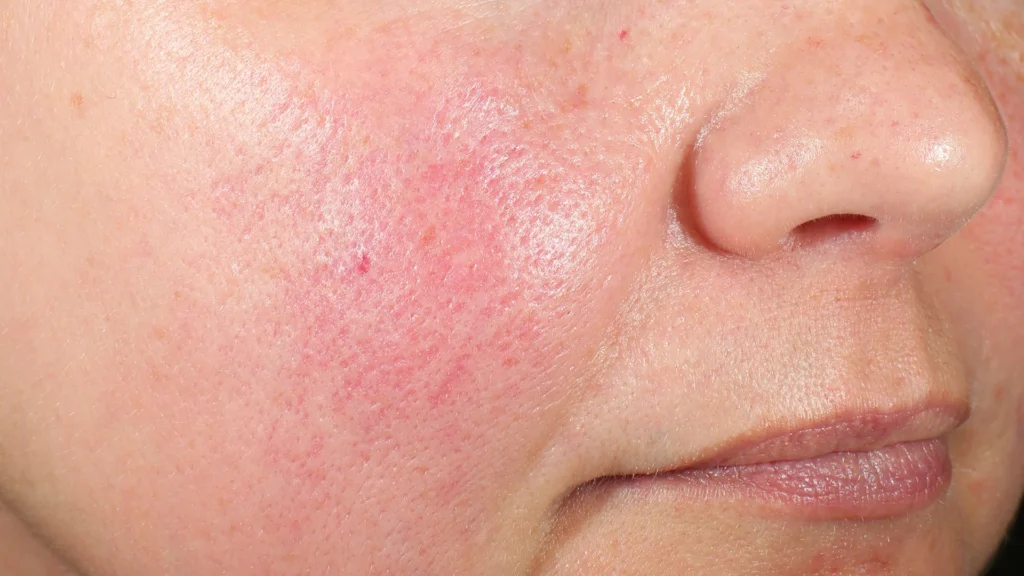
Redness appears easily
Skin may turn red after washing,
after applying products,
or even from light touch.
This is a sign that the skin barrier is not protecting well.
What Can Damage the Skin Barrier?
Many daily habits can slowly weaken it:
- washing too often
- using too many products at once
- frequent exfoliation
- switching routines too quickly
These actions may not cause problems immediately.
But over time, the skin becomes stressed.
Why Barrier Health Matters
When the skin barrier is weak,
skin becomes harder to manage.
You may notice:
- more sensitivity
- uneven texture
- difficulty finding products that feel comfortable
Fixing surface problems becomes difficult
if the barrier is not supported.
Final Thoughts
Not all skin problems need stronger products.
Sometimes, skin needs less pressure, not more.
If your skin feels uncomfortable more often than before,
it may be asking for balance, not intensity.
Listening to these early signs
can help prevent bigger problems later.