The phrase “Greenland deal” has surfaced repeatedly in international media, often creating the impression that a major agreement is imminent. Readers may wonder why the same topic returns again and again without a clear conclusion. This repetition is not accidental, but it does not mean that negotiations are stalled or hidden outcomes are being prepared.
In everyday explanations terms, the Greenland deal is a useful example of how global issues are framed for public attention. It reflects how strategic interest, geography, and long-term planning can generate recurring headlines even when no single agreement exists. Understanding why the topic keeps reappearing requires looking at how news cycles and geopolitics interact.
The term “Greenland deal” functions more as a media shortcut than a formal concept.
In journalism, complex geopolitical discussions are often summarized using short, memorable phrases. The Greenland deal is one such phrase, used to condense a wide range of diplomatic conversations into a single idea. This makes the topic easier to reference, but it also removes important nuance.
Unlike formal agreements with defined terms, the Greenland deal has no fixed definition. It can refer to security cooperation, infrastructure discussions, or expressions of strategic interest. Each time it appears in the news, it may describe a different aspect of Greenland’s international relevance rather than a single, ongoing negotiation.
This media framing helps explain why the topic feels repetitive. Headlines reuse the same phrase because it is familiar and attention-grabbing, not because a specific deal is close to completion. Recognizing this pattern helps readers interpret the news more accurately.
Greenland’s strategic location ensures ongoing international interest.
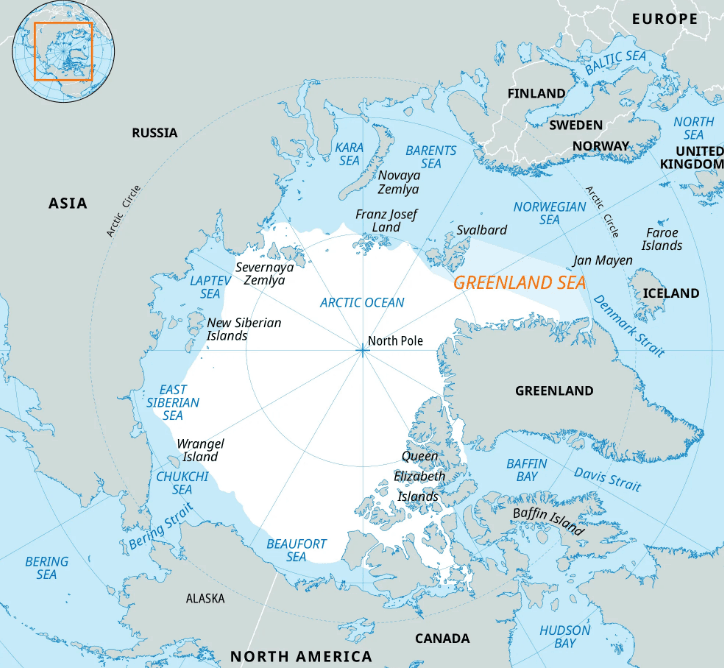
Greenland’s geographic position between North America and Europe places it at the center of Arctic considerations. This location matters for aviation routes, satellite coverage, and regional observation systems. Because geography does not change quickly, Greenland’s relevance remains constant over time.
As global attention toward the Arctic grows, Greenland naturally becomes part of broader discussions about long-term planning. These discussions are not limited to one country or one policy area. Instead, they involve multiple actors considering how the region fits into future global systems.
This persistent relevance means Greenland will continue to appear in strategic conversations. The Greenland deal label reflects this enduring interest rather than a sudden shift in policy. Geography creates continuity, which translates into recurring media coverage.
Long-term geopolitical planning often unfolds without clear milestones.
Unlike domestic policy, international strategy rarely moves in visible steps. Planning for regions like the Arctic involves decades-long timelines, gradual cooperation, and ongoing assessment. As a result, progress may not produce clear announcements or final agreements.
The Greenland deal fits this pattern. Discussions may advance incrementally through meetings, statements, or cooperative projects, none of which qualify as decisive turning points. Yet each development can still generate news coverage because it connects to a larger strategic narrative.
This slow pace can be confusing for general audiences. Without visible endpoints, the topic appears unresolved. In reality, it reflects how international cooperation typically develops, especially in regions where stability and predictability are priorities.
Public attention is shaped by symbolic importance as much as practical outcomes.
Greenland holds symbolic value in global discussions about the Arctic. It represents access, location, and future possibilities rather than immediate action. Because symbols resonate strongly with audiences, they tend to attract repeated attention.
When leaders reference Greenland, it signals awareness of Arctic issues and long-term global positioning. Media outlets amplify these signals because they fit into broader stories about international influence and regional importance. The Greenland deal becomes a recurring reference point within this narrative.
This symbolic role explains why the topic remains visible even without concrete changes. Greenland represents an idea as much as a place, and ideas often persist in public discourse longer than specific policies.
Conclusion
The Greenland deal continues to appear in global news because it serves as a convenient way to describe ongoing strategic interest rather than a specific agreement. Media repetition reflects geography, symbolism, and long-term planning, not hidden negotiations or unresolved conflicts. Viewing the topic through an everyday explanations lens helps clarify why repetition does not equal stagnation.
As Arctic discussions continue, Greenland will remain part of international conversations. Understanding the reasons behind repeated coverage allows readers to interpret news more calmly and accurately. In this way, the Greenland deal illustrates how modern geopolitics is communicated through recurring themes rather than definitive moments.
For general background on Greenland’s political status and its role in international affairs, educational information from the Government of Denmark provides helpful context: https://denmark.dk/people-and-culture/greenland