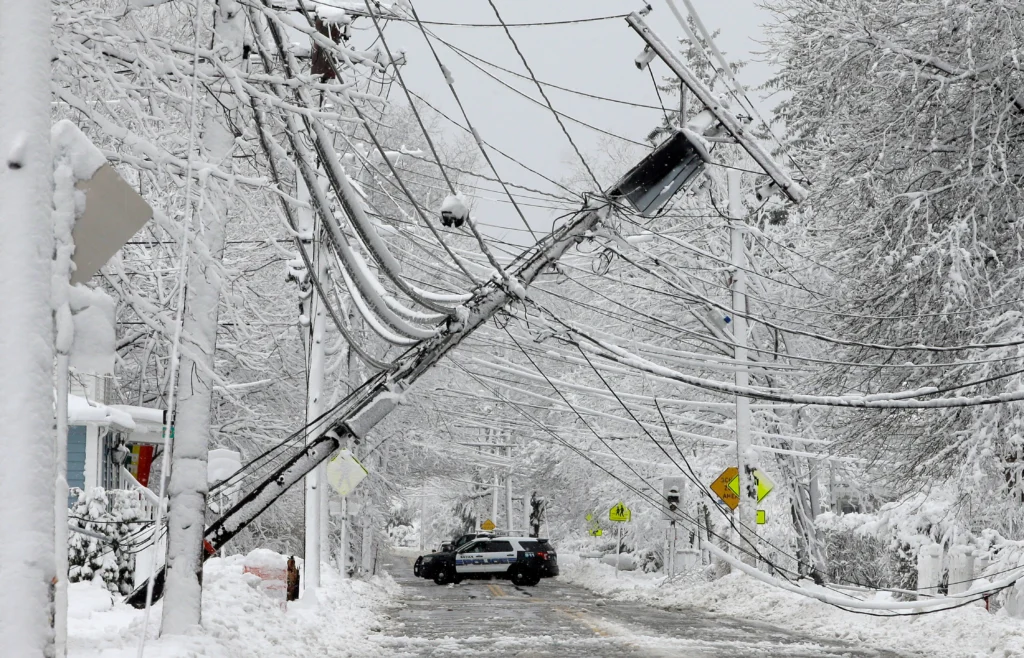
Winter storms in the United States often combine heavy snowfall, freezing temperatures, strong winds, and icy conditions that disrupt daily life across wide regions. Roads may become impassable, power outages can last for days, and access to basic services may be limited. These events are not isolated weather inconveniences but large-scale environmental conditions that affect transportation systems, energy infrastructure, and public safety.
Understanding how winter storms develop and how they typically impact communities helps people better interpret weather warnings and official guidance. This article provides general, educational information about winter storms in the U.S., focusing on safety-related concepts and commonly shared public recommendations. The goal is to explain how these storms affect everyday life and why preparedness is emphasized by public agencies.
How winter storms disrupt daily systems
Winter storms often cause widespread transportation disruptions due to snow-covered roads, black ice, and reduced visibility. Even areas accustomed to winter weather can experience significant delays when snowfall accumulates faster than it can be cleared. Airports frequently cancel or delay flights, while public transit systems may reduce service for safety reasons.
Power infrastructure is also vulnerable during severe winter weather. Heavy snow and ice can weigh down power lines, and strong winds may cause trees or branches to fall onto electrical equipment. When temperatures drop sharply, electricity demand rises due to heating needs, which can further strain energy systems during a storm.
Beyond transportation and power, winter storms affect access to food, medical services, and emergency response. Delivery schedules may be delayed, and emergency vehicles can face slower response times. These combined effects explain why winter storms are treated as significant public safety events rather than routine seasonal weather.
Why extreme cold presents hidden risks
Extreme cold associated with winter storms creates risks that are not always immediately visible. Prolonged exposure to low temperatures can affect the body’s ability to regulate heat, particularly in environments where heating systems fail or are unavailable. Indoor temperatures can drop quickly during power outages, making homes unsafe over time.
Cold weather also affects everyday materials and infrastructure. Water pipes may freeze and burst, leading to property damage and water shortages. Vehicles may fail to start, and batteries can lose efficiency in freezing conditions. These secondary effects often occur after snowfall has ended, extending the impact of a winter storm.
Public agencies emphasize caution during extreme cold because its dangers accumulate gradually. The combination of limited mobility, reduced heating, and delayed services increases vulnerability, especially in densely populated or infrastructure-dependent areas.
The role of official weather warnings
In the United States, winter storm warnings and advisories are issued to communicate different levels of risk. These alerts are designed to inform the public about expected conditions, timing, and potential impacts rather than to predict exact outcomes. Understanding these warnings helps people make informed decisions about travel and daily activities.
Winter Storm Watches indicate that severe conditions are possible, while Warnings signal that dangerous weather is imminent or already occurring. Advisories are used for less severe but still potentially disruptive conditions. Each alert level reflects increasing confidence and expected impact, not just snowfall amounts.
Government agencies such as National Weather Service provide detailed explanations of these alerts and update them frequently as conditions change. Their guidance focuses on public safety and situational awareness rather than personal instruction. More general educational information about winter weather hazards can be found through official government resources such as the National Oceanic and Atmospheric Administration (NOAA): https://www.noaa.gov.
Conclusion
Winter storms in the United States are complex weather events that affect far more than temperature and snowfall. They influence transportation networks, energy systems, and access to essential services, often for extended periods. Understanding these broader impacts helps explain why winter storms receive strong attention from public safety agencies.
By learning how winter storms develop, why extreme cold is dangerous, and how official warnings are structured, readers can better interpret public information during severe weather events. This type of knowledge supports awareness and preparedness at a general level, which is a key focus of winter weather safety communication.