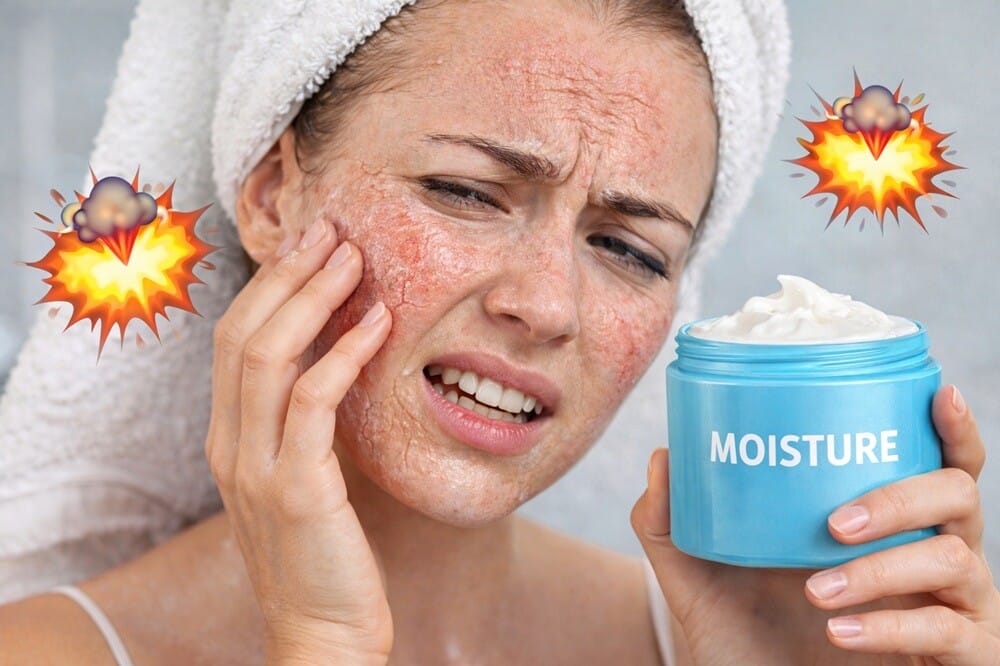
Skin dehydration is often confused with dry skin, but dehydrated skin is a separate skin concern that affects all skin types. Understanding skin dehydration, its causes, and hydration-supporting ingredients helps improve skin comfort and prevent long-term skin barrier imbalance.
Many people notice that their skin feels tight, dull, or uncomfortable even though they moisturize every day. This problem is common among English-speaking skincare users who believe dehydration only happens to dry skin. In reality, skin dehydration can affect oily, combination, and acne-prone skin just as easily.
This article explains what skin dehydration really is, why it happens, which skincare ingredients help improve hydration, and how readers can take practical steps before dehydration leads to more serious skin concerns.
What Skin Dehydration Really Means
Skin dehydration refers to a lack of water in the skin, not a lack of oil. This distinction is critical because water and oil serve very different biological roles. Water supports elasticity, enzyme activity, and cellular communication, while oil mainly helps seal and protect the skin surface.
When the skin lacks sufficient water, it becomes less flexible and more reactive. This can occur even when the skin produces excess oil, which is why dehydrated skin often looks shiny but feels tight underneath.
Scientific literature published through the National Center for Biotechnology Information explains that dehydration disrupts normal barrier enzyme activity and slows recovery of the stratum corneum.
https://www.ncbi.nlm.nih.gov/pmc/articles/PMC5452224/
Skin Dehydration vs Dry Skin: Why the Difference Matters
Dry skin is considered a skin type, meaning the skin naturally produces less oil. Skin dehydration, however, is a temporary condition influenced by environment, skincare habits, and lifestyle factors.
Many people attempt to treat dehydration by using heavier creams. While this may reduce discomfort temporarily, it does not solve the underlying lack of water in the skin. Without addressing hydration directly, the imbalance often returns.
Understanding this difference allows readers to adjust routines logically instead of continuously switching products without results.
9 Critical Causes of Skin Dehydration
Over-cleansing
Frequent washing and harsh surfactants remove natural moisturizing factors, reducing the skin’s ability to hold water.
Low-humidity environments
Air conditioning and indoor heating increase transepidermal water loss throughout the day.
Alcohol-based formulations
Alcohol evaporates quickly and can pull water from the skin surface with repeated use.
Excessive exfoliation
Overuse of chemical or physical exfoliants weakens the skin’s water-retention ability.
Lack of humectant ingredients
Routines focused only on oils and creams often neglect water-binding components.
Aging-related changes
Natural hyaluronic acid and natural moisturizing factors decline with age.
Stress and lifestyle factors
Chronic stress affects cortisol levels, indirectly influencing hydration balance.
Incorrect product layering
Applying occlusives before hydration steps can trap dryness instead of moisture.
Seasonal routine mismatch
Using the same routine year-round ignores changing hydration needs.
Ingredients That Support Skin Hydration
Hyaluronic Acid
Hyaluronic acid binds large amounts of water and improves surface smoothness. Clinical studies show consistent hydration benefits with regular use.
https://jcadonline.com/hyaluronic-acid-topical-skin/
Glycerin
Glycerin attracts water from deeper layers and the environment while supporting barrier stability.
Panthenol (Pro-Vitamin B5)
Panthenol improves water retention and helps reduce dehydration-related discomfort.
Beta-Glucan
Beta-glucan enhances long-lasting hydration and skin resilience. Research suggests strong moisture-retention performance.
https://pubmed.ncbi.nlm.nih.gov/18492138/
Observational Insights From Hydration Data
Reviews of publicly available hydration studies reveal a consistent trend. Individuals describing “oily but tight” skin frequently show low water content rather than oil deficiency.
Controlled cosmetic research environments demonstrate that increasing humectant concentration improves comfort scores within two weeks, even without adding heavier oils. These findings suggest dehydration is often misidentified and mistreated.
Practical Steps Readers Can Apply Immediately
Applying hydration products to slightly damp skin improves humectant efficiency.
Reducing cleansing frequency helps prevent unnecessary water loss.
Layering water-based products before creams allows hydration to penetrate effectively.
Pausing exfoliation during tightness prioritizes hydration recovery.
Why Skin Dehydration Is a Growing Skin Concern
Modern lifestyles expose skin to continuous dehydration triggers, including indoor climate control and stress-related habits. Search interest for “dehydrated skin vs dry skin” continues to rise, yet high-quality explanatory content remains limited.
Early understanding of dehydration can prevent sensitivity, uneven tone, and premature texture changes.
Conclusion and Call to Action
Skin dehydration is one of the most misunderstood yet manageable skin concerns. By focusing on water balance and hydration-supporting ingredients, readers can make informed skincare decisions.